Logistics
Delivery Logistics Explained
Understanding route optimization, preparation workflows, and delivery coordination systems.
Read Article →Common questions about pizza delivery operations, technology, and customer experience
Delivery times vary significantly based on multiple factors that change throughout the day. Order volume typically peaks during lunch hours (11 AM - 1 PM) and dinner periods (6 PM - 9 PM), creating increased demand on kitchen capacity and driver availability. Traffic patterns also fluctuate, with rush hour congestion adding significant time to deliveries. Weather conditions can impact delivery times at any time of day, with rain, snow, or extreme temperatures slowing both kitchen operations and driver travel times. Additionally, driver availability varies based on shift schedules, with fewer drivers available during off-peak hours. Modern delivery systems use predictive analytics to estimate delivery times based on these variable factors, but unexpected events can still cause delays beyond initial estimates.
Route planning for multiple orders involves sophisticated algorithms that consider numerous variables to create optimal delivery sequences. These systems analyze the locations of all pending orders, current driver positions, promised delivery times, traffic conditions, and road networks to determine the most efficient routes. The algorithms balance multiple objectives: minimizing total travel time, meeting individual delivery time commitments, reducing fuel consumption, and ensuring fair distribution of orders among drivers. Real-time updates allow routes to be adjusted dynamically as new orders come in, traffic conditions change, or delays occur. Some advanced systems incorporate machine learning to improve route planning over time, learning from historical data to predict optimal routing patterns. The goal is to maximize efficiency while ensuring that each customer receives their order within the promised timeframe.
Several key factors significantly impact delivery efficiency. Order volume and kitchen capacity represent fundamental constraints—when orders exceed preparation capacity, delays cascade through the entire system. Driver availability and geographic distribution also play crucial roles, with insufficient drivers or poor driver-to-order ratios creating bottlenecks. Traffic conditions and road infrastructure affect travel times, with congestion, construction, and poor road conditions slowing deliveries. Weather events can dramatically impact efficiency, affecting both kitchen operations and driver travel times. Order complexity and preparation time influence efficiency, with more complex orders taking longer to prepare and potentially delaying other orders. Technology systems and their reliability also matter—outages or glitches in ordering, routing, or communication systems can create significant disruptions. Finally, effective communication and coordination between kitchen staff, drivers, and customers help maintain efficiency by enabling quick responses to issues and changes.
GPS technology has revolutionized delivery operations by providing real-time location tracking and navigation capabilities. GPS enables dispatchers to monitor driver positions continuously, allowing for dynamic route adjustments and efficient resource allocation. Drivers benefit from turn-by-turn navigation that reduces travel time and eliminates the need to consult paper maps or ask for directions. Real-time traffic data integration allows GPS systems to suggest alternative routes when congestion is detected, helping maintain delivery schedules. GPS also provides accurate delivery time estimates by calculating travel times based on current conditions and driver locations. For customers, GPS tracking offers transparency and peace of mind, allowing them to see their driver's location and estimated arrival time. Advanced GPS systems incorporate weather data, road construction information, and predictive traffic analysis to further enhance routing efficiency. The cumulative effect of these capabilities is significantly improved operational efficiency, reduced delivery times, and enhanced customer satisfaction.
Maintaining food temperature during delivery involves multiple technological solutions working together. Thermal delivery bags with advanced insulation materials form the primary defense against heat loss. These bags use multiple layers of insulation, reflective materials, and sometimes active heating elements to maintain optimal temperatures. Some advanced bags incorporate temperature monitoring systems that alert drivers if food temperature falls below acceptable levels. Packaging innovations also contribute significantly—ventilated pizza boxes prevent moisture buildup while retaining heat, and specialized containers keep sides and beverages at appropriate temperatures. Loading sequence optimization ensures that orders are loaded in the order they will be delivered, minimizing the time each order spends in the delivery bag. Some operators use heated delivery boxes or warming shelves in vehicles to maintain temperature during transport. Quality control checkpoints before dispatch verify that food is at the proper temperature before leaving the restaurant. These combined technologies and processes help ensure that pizza arrives hot and fresh, maintaining quality throughout the delivery process.
Online ordering systems integrate with kitchen operations through sophisticated technology platforms that connect customer-facing interfaces with back-of-house systems. When a customer places an order online, the information flows directly to kitchen display systems (KDS) that replace traditional paper tickets. These digital displays show real-time order information to kitchen staff, automatically tracking preparation times and prioritizing orders based on delivery commitments. The integration extends to inventory management systems, automatically deducting ingredients as orders are prepared and alerting staff when supplies run low. Payment processing is integrated seamlessly, with online payments automatically recorded and reconciled. Customer information and special instructions flow through the system, ensuring that dietary restrictions, special requests, and delivery instructions are communicated clearly to kitchen staff. Some systems incorporate predictive analytics that anticipate order volume based on historical patterns, helping kitchens prepare for busy periods. This integration creates a seamless flow of information from order placement to preparation, reducing errors, improving efficiency, and enabling faster order fulfillment.
When delivery delays occur, modern systems have established protocols to manage the situation and maintain customer satisfaction. The first step is typically proactive communication—customers receive notifications about delays through SMS, push notifications, or email, with updated delivery time estimates. Operations managers monitor delay situations in real-time, using GPS tracking and communication systems to understand the cause and impact of delays. Drivers can report issues through mobile applications, providing dispatchers with information about traffic, weather, or other problems affecting their route. Kitchen operations may be adjusted to hold orders that are experiencing delays, ensuring that food doesn't sit too long before pickup. In some cases, orders may be reassigned to different drivers if that would enable faster delivery. Compensation policies may be triggered for significant delays, with discounts or credits offered to affected customers. After the delay is resolved, operators analyze the incident to identify root causes and implement preventive measures. This comprehensive approach helps manage customer expectations during delays while working to minimize their occurrence and impact.
Ensuring order accuracy involves multiple checkpoints and quality control measures throughout the delivery process. The process begins with clear order display systems that show kitchen staff exactly what each order contains, including special instructions and modifications. Digital ordering systems reduce errors by eliminating miscommunication that can occur with phone orders. Kitchen display systems track preparation progress and alert staff to incomplete or incorrect orders. Visual inspection stations before packaging allow staff to verify that orders match specifications. Packaging stations often include checklists or verification steps to ensure all items are included. Driver pickup procedures may include order verification, with drivers confirming they have the correct orders before departing. Some systems use barcode scanning or RFID technology to track orders through the preparation and delivery process. Customer feedback and complaint tracking help identify recurring accuracy issues, enabling targeted improvements. Training programs emphasize accuracy and attention to detail, reinforcing the importance of getting orders right. These combined measures work together to minimize errors and ensure that customers receive exactly what they ordered.
Weather conditions significantly impact delivery operations in multiple ways. Rain, snow, and ice create hazardous driving conditions that slow travel times and increase accident risk. Extreme temperatures affect both kitchen operations and food quality during transport—hot weather can make food quality maintenance more challenging, while cold weather increases heat loss during delivery. Severe weather events such as thunderstorms, blizzards, or hurricanes may force temporary service suspensions for safety reasons. Weather monitoring systems enable operators to anticipate weather-related challenges and adjust operations proactively. During adverse weather, delivery time estimates are typically extended to account for slower travel conditions. Driver safety protocols may be activated, with additional training or equipment provided for challenging conditions. Kitchen operations may be adjusted to account for weather-related delays, with orders held longer before dispatch to ensure they don't arrive cold. Communication with customers becomes especially important during weather events, with proactive notifications about potential delays and service changes. Some operators implement weather-specific policies, such as minimum order requirements or delivery area restrictions during severe conditions. These adaptations help maintain service quality and safety while managing customer expectations during challenging weather.
Data analytics has become essential for optimizing delivery operations and improving customer experience. Every interaction in the delivery process generates valuable data—from order placement and preparation times to delivery durations and customer feedback. Advanced analytics platforms process this data to identify patterns, trends, and opportunities for improvement. Predictive analytics enable operators to anticipate demand patterns, optimize staffing levels, and manage inventory more effectively. Customer analytics provide insights into preferences, ordering patterns, and satisfaction levels, enabling personalized marketing and improved customer experiences. Operational analytics identify bottlenecks, inefficiencies, and areas for improvement in the delivery process. Performance metrics such as average delivery time, on-time delivery percentage, and order accuracy rate are monitored continuously, providing real-time visibility into operational performance. Machine learning algorithms can identify complex patterns that human analysts might miss, predicting future trends with increasing accuracy. This data-driven approach enables continuous improvement, helps maintain high service levels, and informs strategic decisions about service offerings, delivery areas, and operational investments. As analytics capabilities continue to advance, they will enable even more sophisticated optimization and personalization in delivery operations.
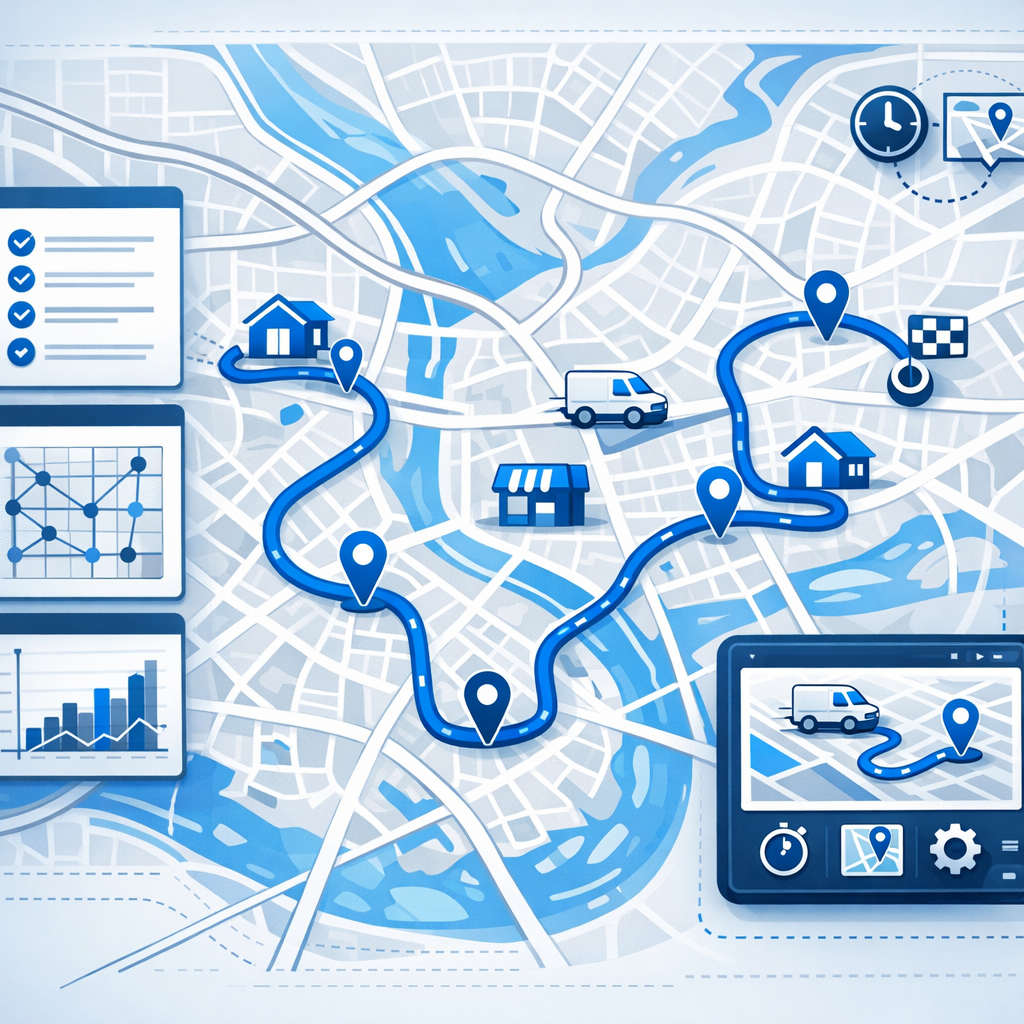
Understanding route optimization, preparation workflows, and delivery coordination systems.
Read Article →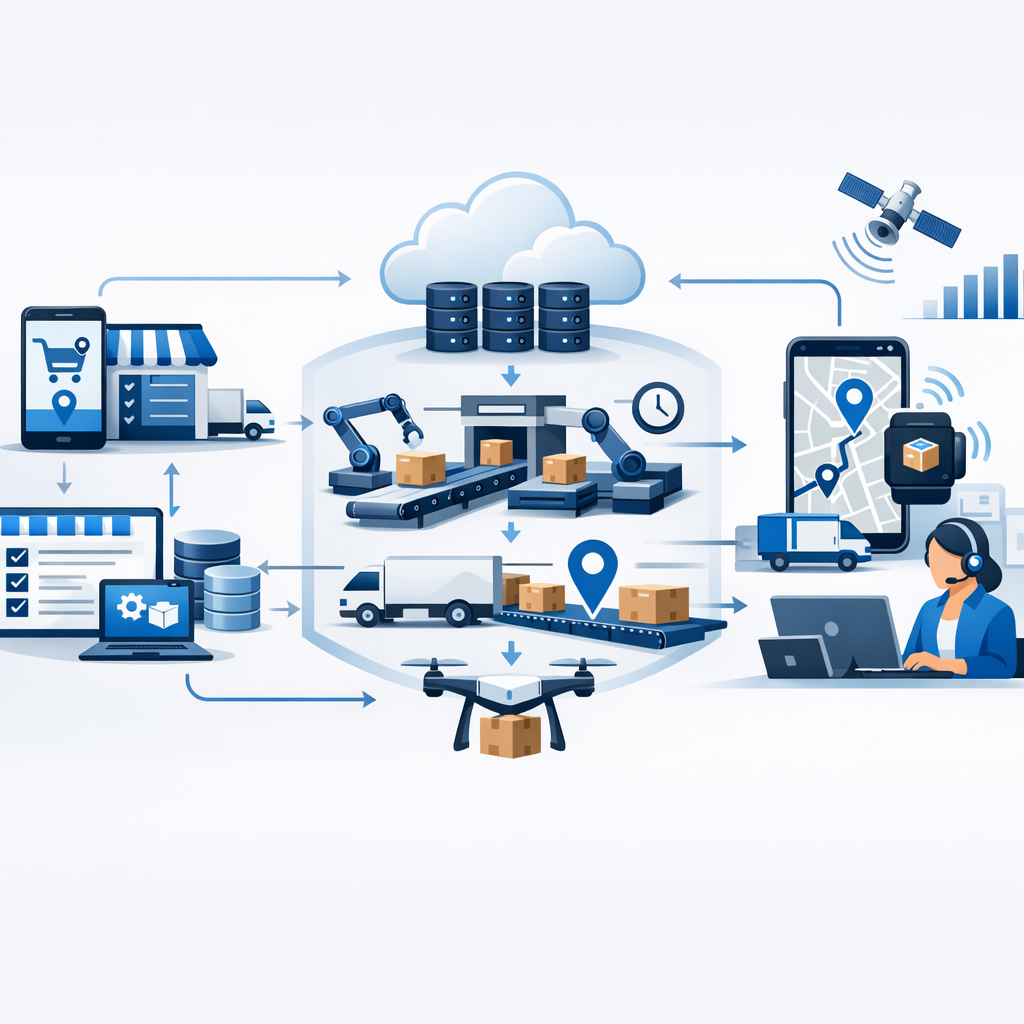
How GPS usage, online ordering evolution, and communication systems have transformed pizza delivery operations.
Read Article →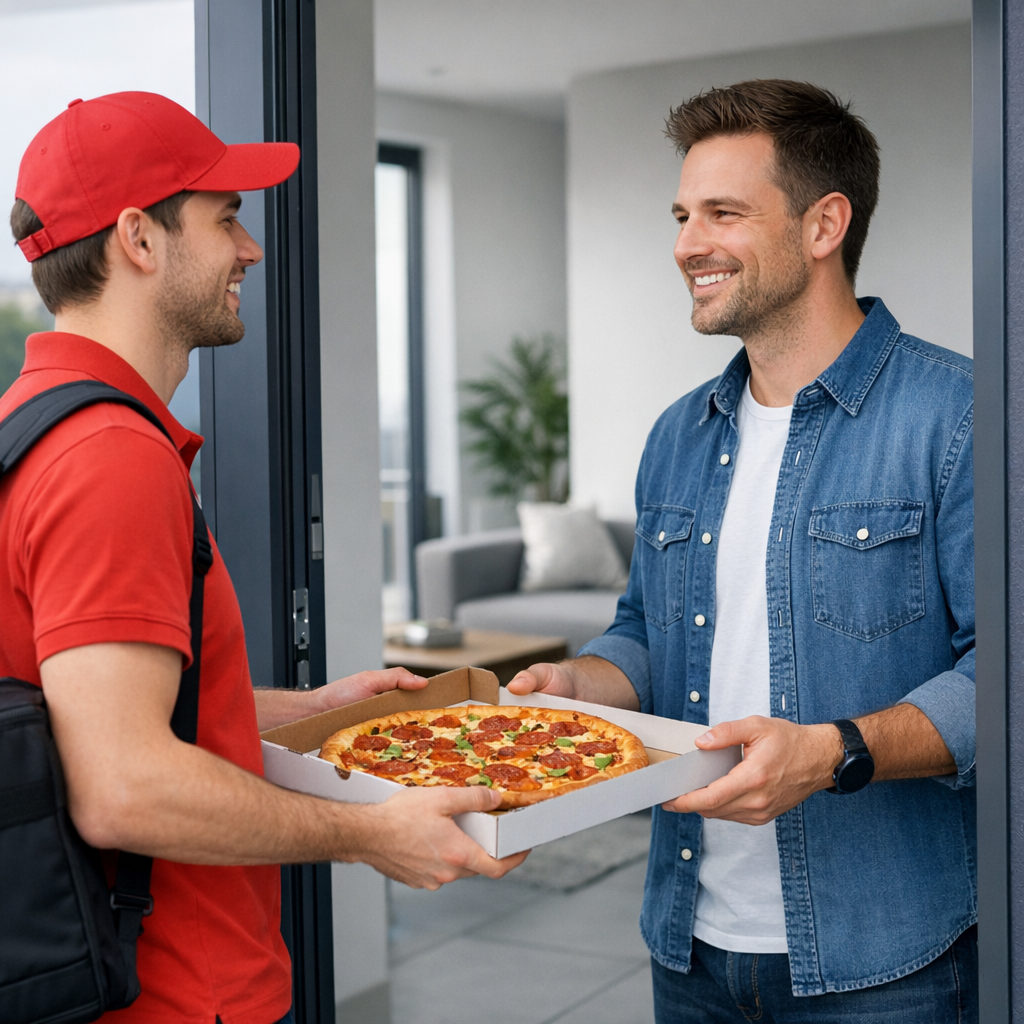
Delivery expectations, timing variability, and food quality maintenance during transport.
Read Article →