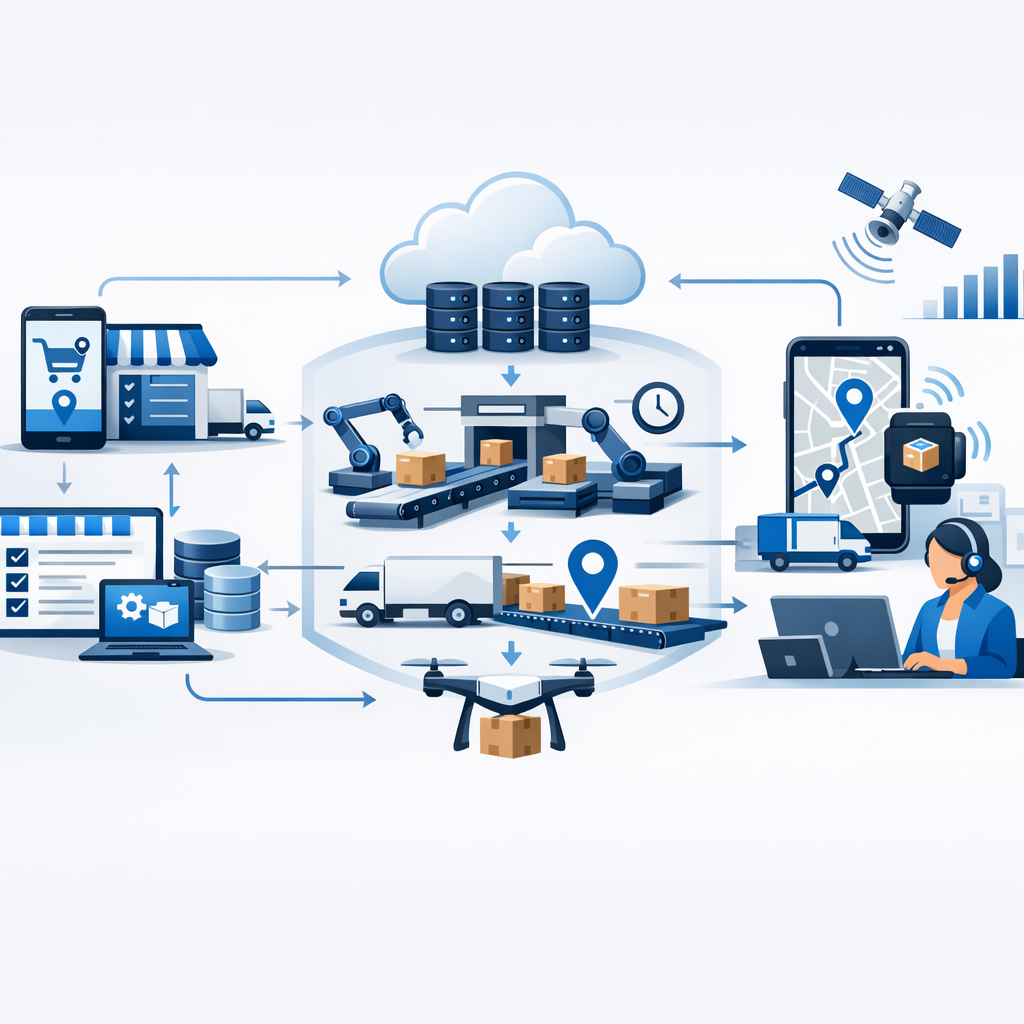
Technology has fundamentally transformed the pizza delivery industry, revolutionizing every aspect of operations from order placement to final delivery. What was once a simple phone-based transaction has evolved into a sophisticated digital ecosystem that integrates multiple technologies to enhance efficiency, accuracy, and customer experience. This article examines the key technological innovations that have shaped modern pizza delivery systems.
GPS Technology and Navigation Systems
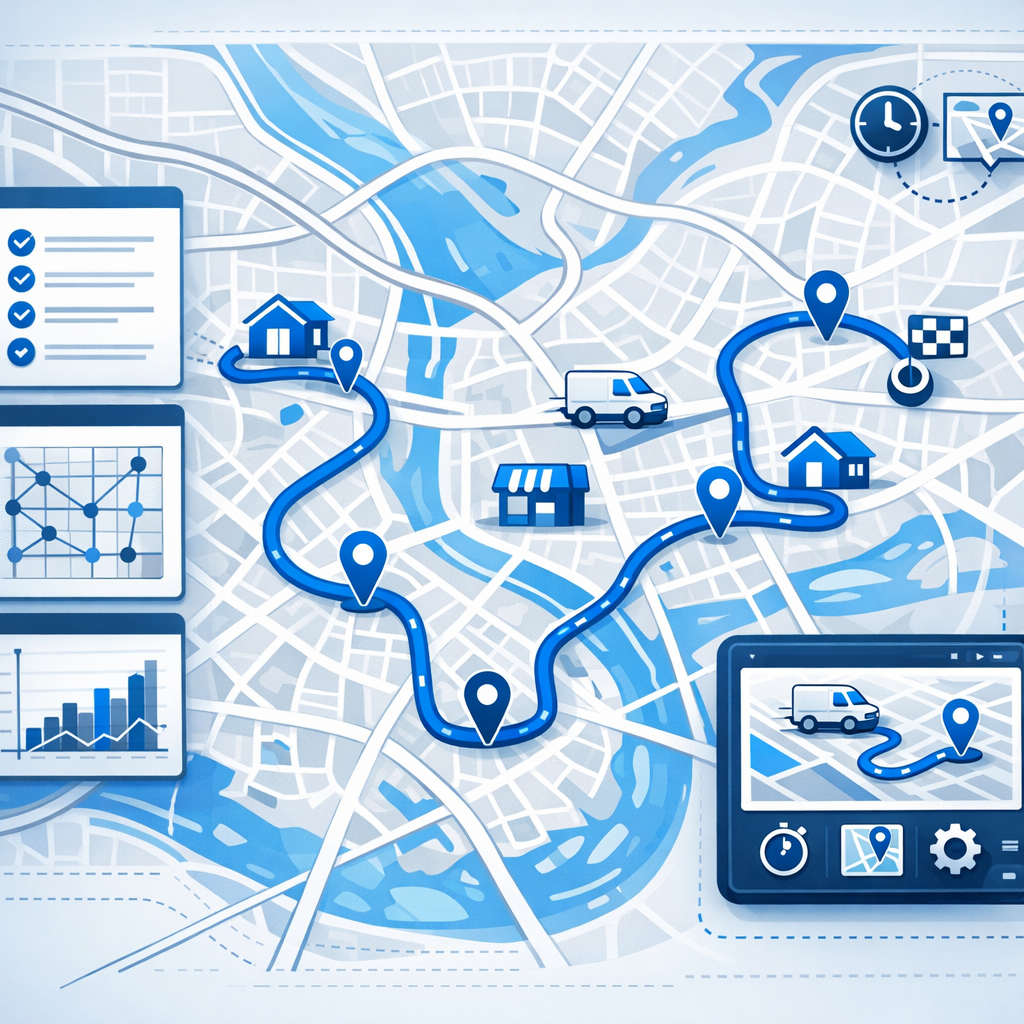
Global Positioning System (GPS) technology has become the backbone of modern delivery operations. GPS enables real-time tracking of delivery vehicles, allowing dispatchers to monitor driver locations, optimize routes dynamically, and provide customers with accurate delivery time estimates. The integration of GPS with mapping services has transformed how drivers navigate to delivery locations, reducing delivery times and improving efficiency.
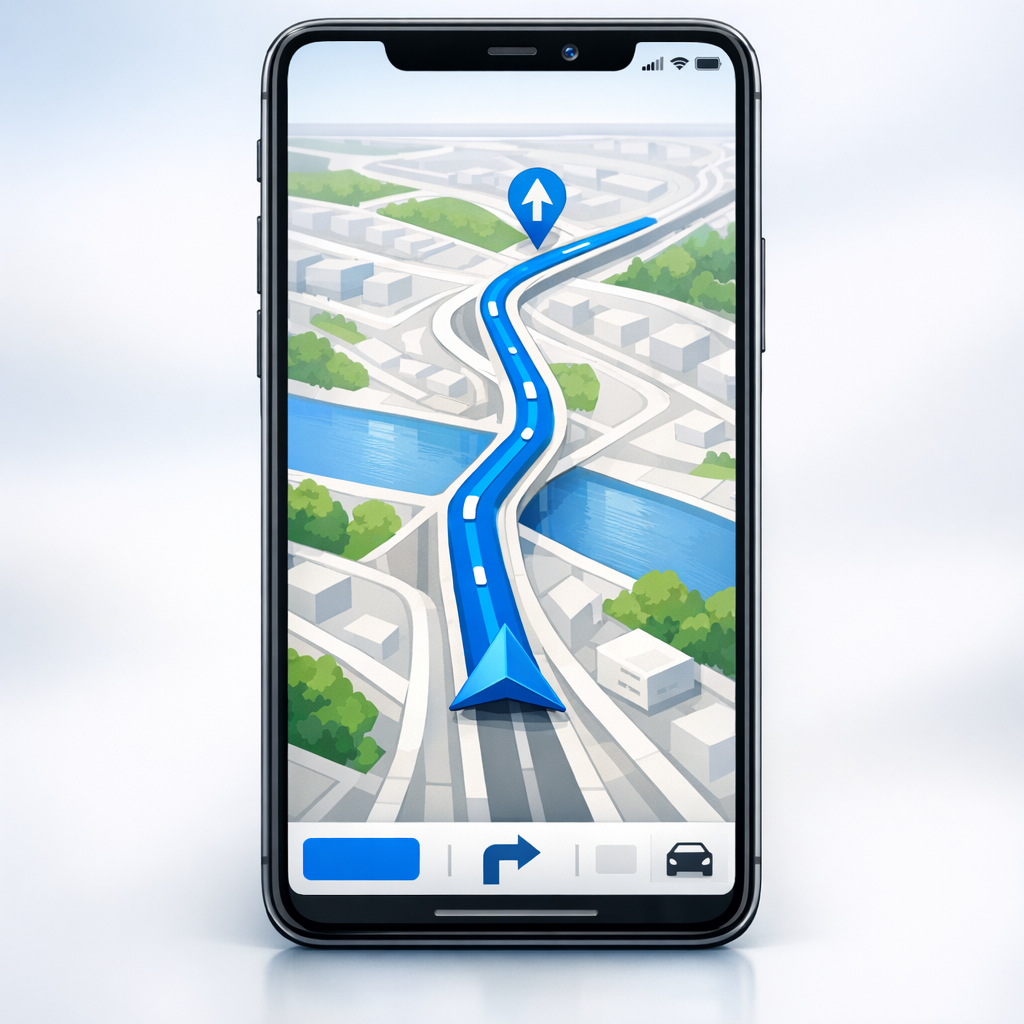
Modern GPS systems go beyond simple location tracking. They incorporate real-time traffic data, weather information, and road condition updates to provide drivers with optimal routing suggestions. Some advanced systems even integrate with traffic prediction algorithms, anticipating congestion before it occurs and suggesting alternative routes proactively. This predictive capability helps maintain delivery schedules even during peak traffic periods or adverse weather conditions.
GPS Integration Benefits
GPS technology provides multiple advantages: real-time vehicle tracking, accurate delivery time estimates, dynamic route optimization, reduced fuel consumption through efficient routing, improved driver safety with turn-by-turn navigation, and enhanced customer experience with location-based updates. These benefits collectively contribute to more efficient and reliable delivery operations.
Evolution of Online Ordering Systems
The transition from phone-based ordering to online platforms represents one of the most significant technological shifts in the pizza delivery industry. Online ordering systems have evolved from simple web forms to sophisticated mobile applications that offer personalized experiences, loyalty programs, and seamless integration with kitchen operations. Customers can now place orders from anywhere, track their delivery in real-time, and receive notifications at every stage of the process.
Modern online ordering platforms incorporate advanced features such as saved preferences, order history, and personalized recommendations based on past orders. Integration with payment systems enables secure, contactless transactions, while loyalty programs reward repeat customers with discounts and special offers. These platforms also provide valuable data that operators can use to understand customer preferences, optimize menu offerings, and improve marketing strategies.
The rise of third-party delivery aggregators has further expanded the online ordering landscape. These platforms connect customers with multiple restaurants through a single interface, increasing competition and driving innovation in user experience design. While this has created new challenges for traditional pizza operators, it has also expanded market reach and introduced new customers to delivery services.
Communication Systems and Real-Time Updates
Communication technology has evolved dramatically from simple radio dispatch to comprehensive digital communication platforms. Modern delivery operations utilize multiple communication channels to keep all stakeholders informed throughout the delivery process. Customers receive real-time updates via SMS, push notifications, or email, while drivers and kitchen staff communicate through integrated mobile applications.

These communication systems provide transparency and reduce uncertainty for customers. Real-time order tracking allows customers to see exactly where their order is in the preparation and delivery process, reducing anxiety and improving satisfaction. For operators, these systems enable proactive communication about delays or issues, allowing them to manage customer expectations effectively.
Internal communication systems have also improved significantly. Kitchen display systems provide real-time order information to preparation staff, while driver applications deliver detailed delivery instructions and route information. This integrated communication approach reduces errors, improves coordination, and enables faster response to changing conditions or customer requests.
Mobile Technology and Driver Applications
Mobile technology has become essential for delivery operations, with drivers relying on smartphones and tablets for navigation, order management, and communication. Modern driver applications provide comprehensive functionality including GPS navigation, order details, customer information, and communication tools—all accessible through a single interface.
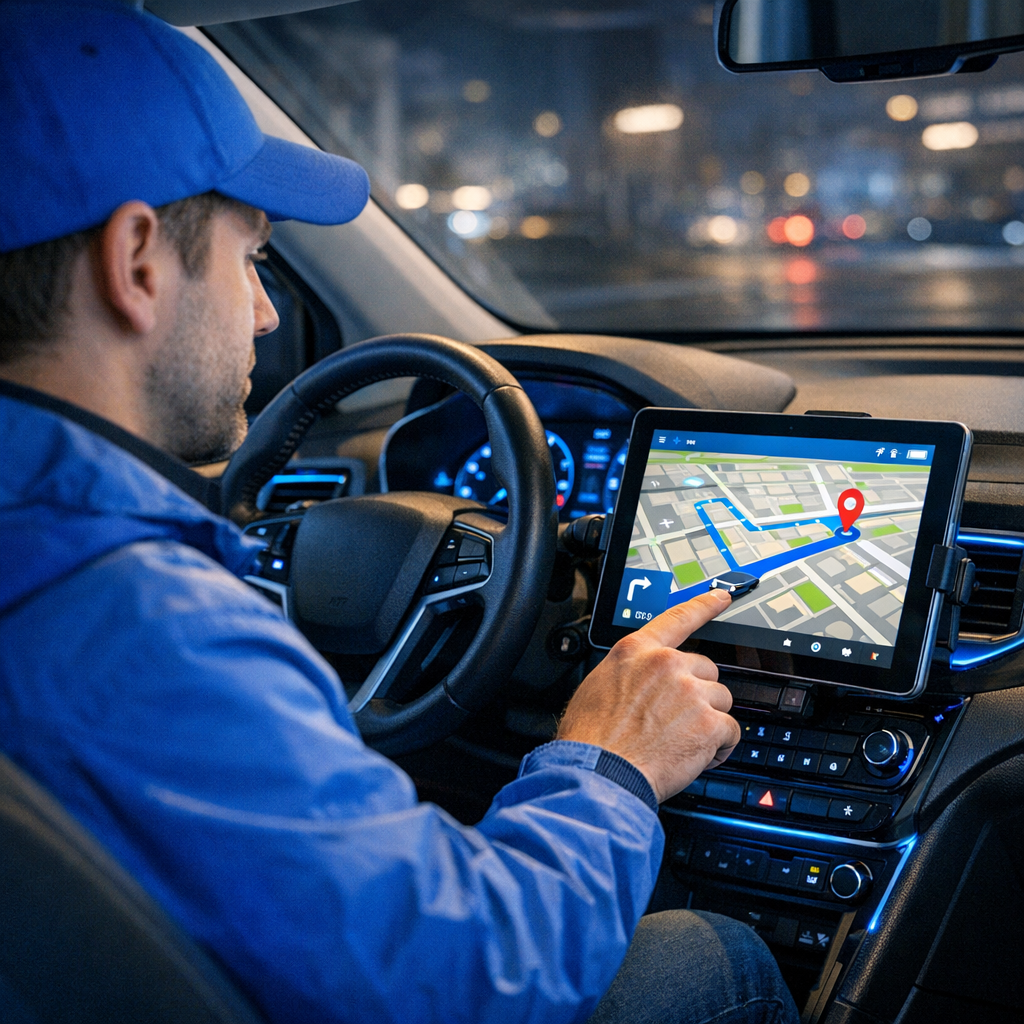
These applications have evolved from simple order display tools to sophisticated platforms that integrate multiple functions. Drivers can confirm order completion, report delivery issues, communicate with customers, and receive updated routing information—all through their mobile devices. Some advanced applications even incorporate features such as photo verification of delivery, signature capture, and customer feedback collection.
The integration of mobile technology with backend systems creates a seamless flow of information throughout the delivery operation. Order status updates are transmitted automatically, inventory levels are adjusted in real-time, and performance data is collected continuously. This integration enables operators to monitor operations comprehensively and make data-driven decisions to improve efficiency and customer service.
Data Analytics and Business Intelligence
The collection and analysis of data has become a critical component of modern delivery operations. Every interaction—from order placement to delivery completion—generates valuable data that can be analyzed to gain insights into customer behavior, operational efficiency, and market trends. Advanced analytics platforms process this data to provide actionable intelligence that drives business decisions.

Predictive analytics enable operators to anticipate demand patterns, optimize staffing levels, and manage inventory more effectively. Customer analytics provide insights into preferences, ordering patterns, and satisfaction levels, enabling personalized marketing and improved customer experiences. Operational analytics identify bottlenecks, inefficiencies, and opportunities for improvement in the delivery process.
The integration of artificial intelligence and machine learning is taking data analytics to new levels. These technologies can identify complex patterns that human analysts might miss, predict future trends with increasing accuracy, and automate decision-making processes. As these technologies continue to evolve, they will enable even more sophisticated optimization and personalization in delivery operations.
Emerging Technologies
The future of pizza delivery technology includes autonomous delivery vehicles, drone delivery systems, augmented reality for navigation, blockchain for supply chain transparency, and advanced AI for predictive analytics. These innovations promise to further transform the industry, creating new possibilities for efficiency and customer experience.
Technology has become an integral part of every aspect of pizza delivery operations, from order placement to final delivery. As these technologies continue to evolve and integrate, they will enable even greater efficiency, accuracy, and customer satisfaction. The pizza delivery industry serves as an excellent example of how technology can transform traditional operations, creating new possibilities and setting new standards for service excellence.