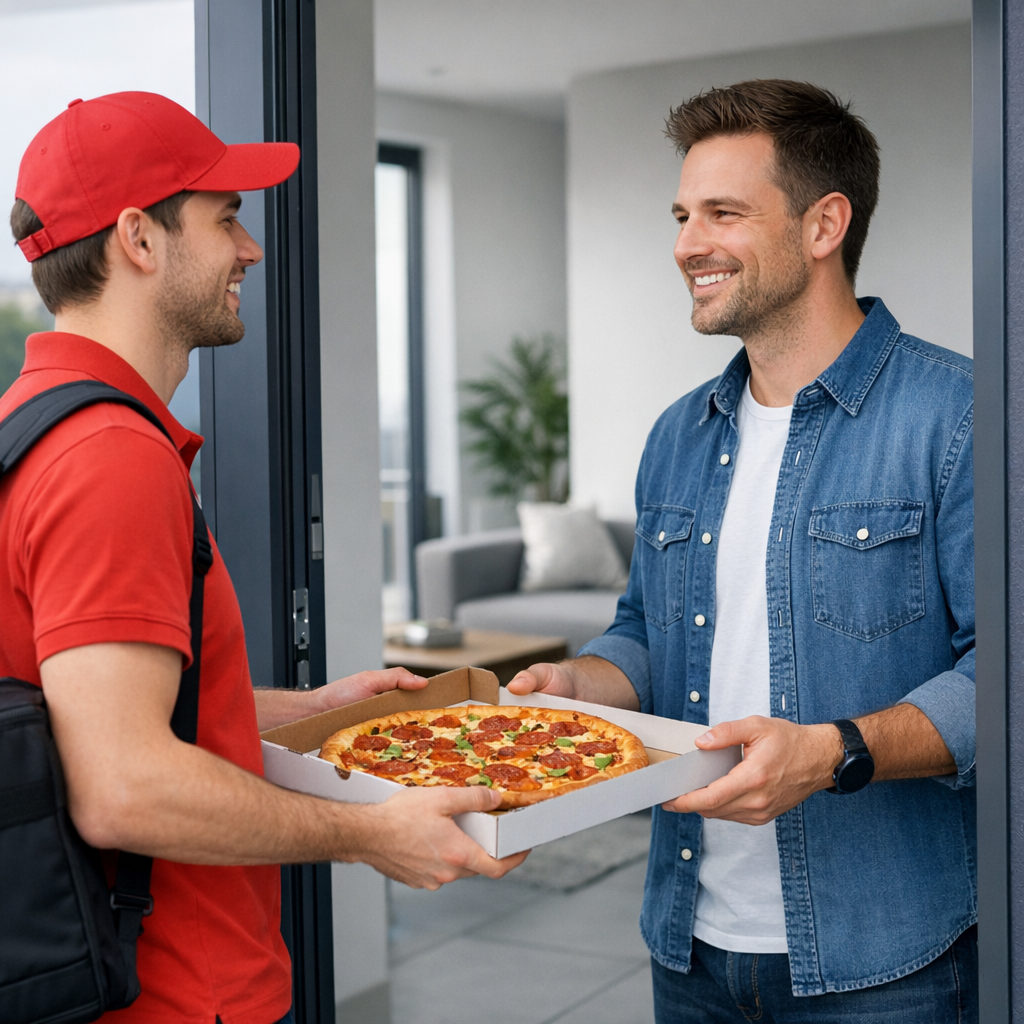
The logistics behind modern pizza delivery represent a sophisticated orchestration of multiple systems working in concert. From the moment a customer places an order to the final delivery at their doorstep, every step is carefully coordinated to maximize efficiency while maintaining food quality. This article explores the three core components of delivery logistics: route optimization, preparation workflows, and delivery coordination.
Route Optimization Systems
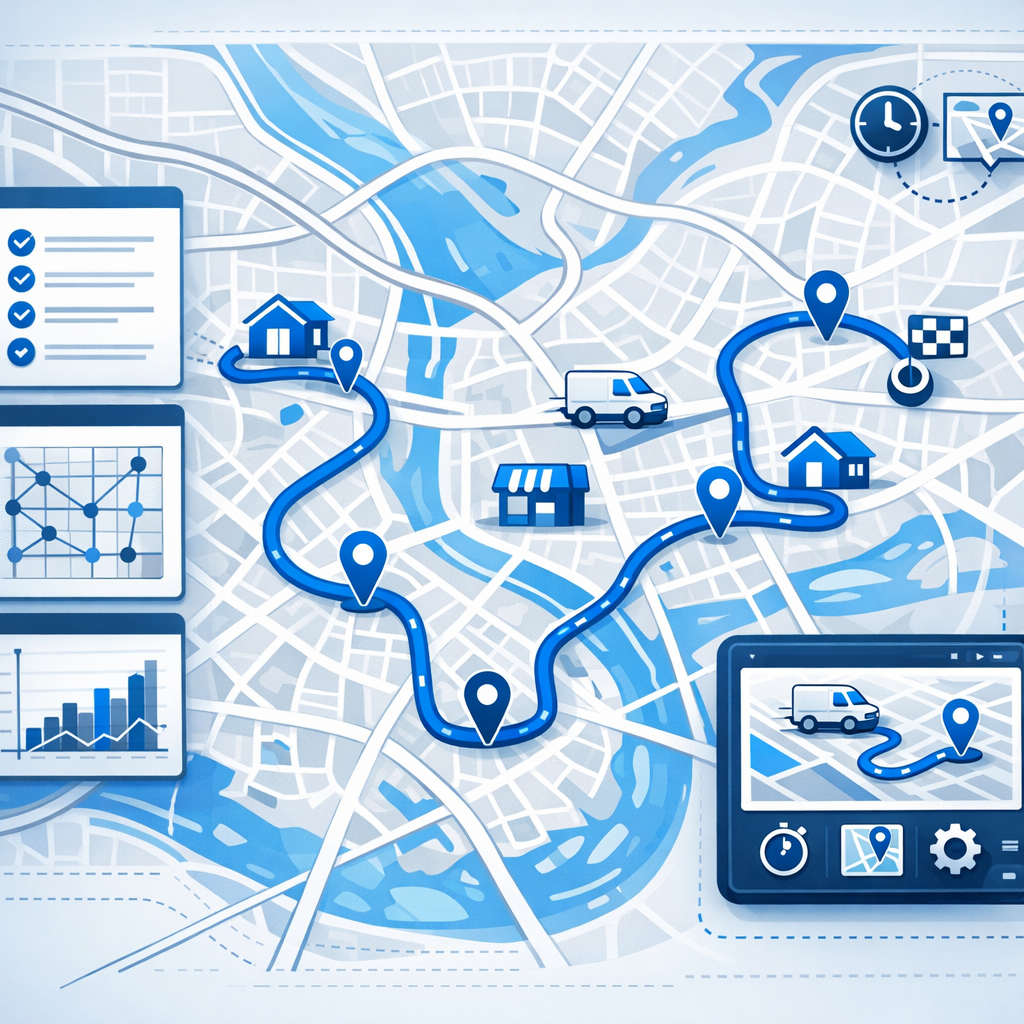
Modern pizza delivery operations rely heavily on advanced route optimization algorithms that calculate the most efficient delivery paths for drivers. These systems consider multiple variables including distance, traffic patterns, delivery time windows, and driver availability. The algorithms continuously update in real-time, adjusting routes based on changing conditions such as traffic congestion, weather events, or new orders that come in during active delivery runs.

Route optimization technology has evolved significantly from simple distance calculations to complex multi-variable analysis. Today's systems can process dozens of simultaneous deliveries, creating optimal routes that minimize total travel time while ensuring that each order arrives within its promised delivery window. Some advanced systems even incorporate predictive analytics, using historical data to anticipate traffic patterns and adjust routes proactively.
Key Route Optimization Factors
Modern delivery systems analyze multiple variables: real-time traffic data, weather conditions, road construction, delivery time commitments, driver location and availability, order preparation times, and customer proximity. These factors are weighted and processed through algorithms that generate optimal delivery sequences for maximum efficiency.
Kitchen Preparation Workflows
Efficient kitchen operations form the foundation of successful delivery logistics. Modern pizza kitchens have implemented streamlined workflows that integrate order processing, food preparation, and packaging into a seamless operation. Kitchen display systems (KDS) replace traditional paper tickets, providing real-time order information to kitchen staff and automatically tracking preparation times.
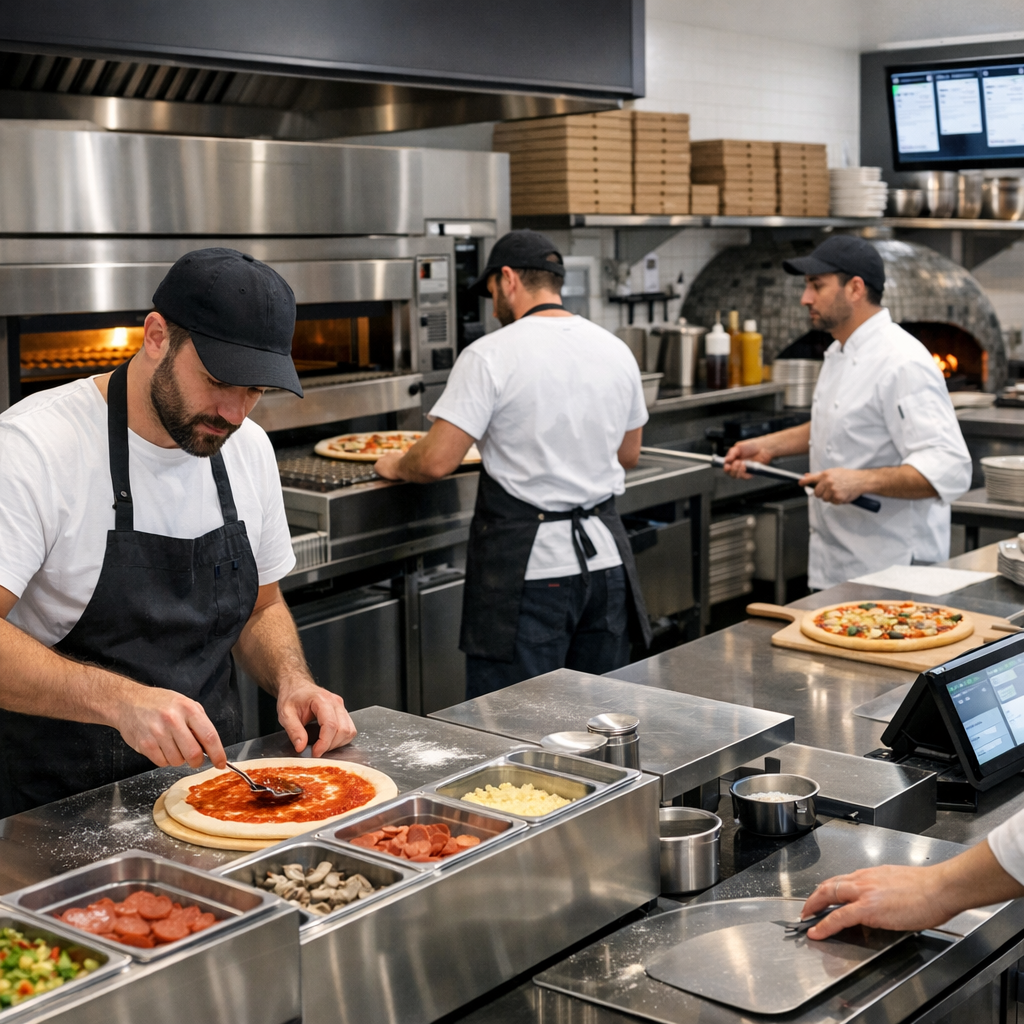
Preparation workflows are designed to minimize bottlenecks and maximize throughput. Orders are prioritized based on delivery time commitments, with kitchen staff working in specialized stations—dough preparation, sauce and topping application, baking, and packaging. Each station is optimized for efficiency, with equipment placement and workflow patterns designed to reduce unnecessary movement and preparation time.
Quality control checkpoints are integrated throughout the preparation process, ensuring that each order meets standards before leaving the kitchen. Temperature monitoring systems track oven performance, while visual inspection stations verify order accuracy and presentation quality. These quality measures help reduce errors and ensure customer satisfaction while maintaining efficient operations.
Delivery Coordination Systems
The coordination between kitchen operations and delivery drivers represents a critical link in the logistics chain. Modern delivery coordination systems provide real-time communication between kitchen staff, dispatchers, and drivers, ensuring that orders are handed off efficiently and drivers have all necessary information for successful deliveries.
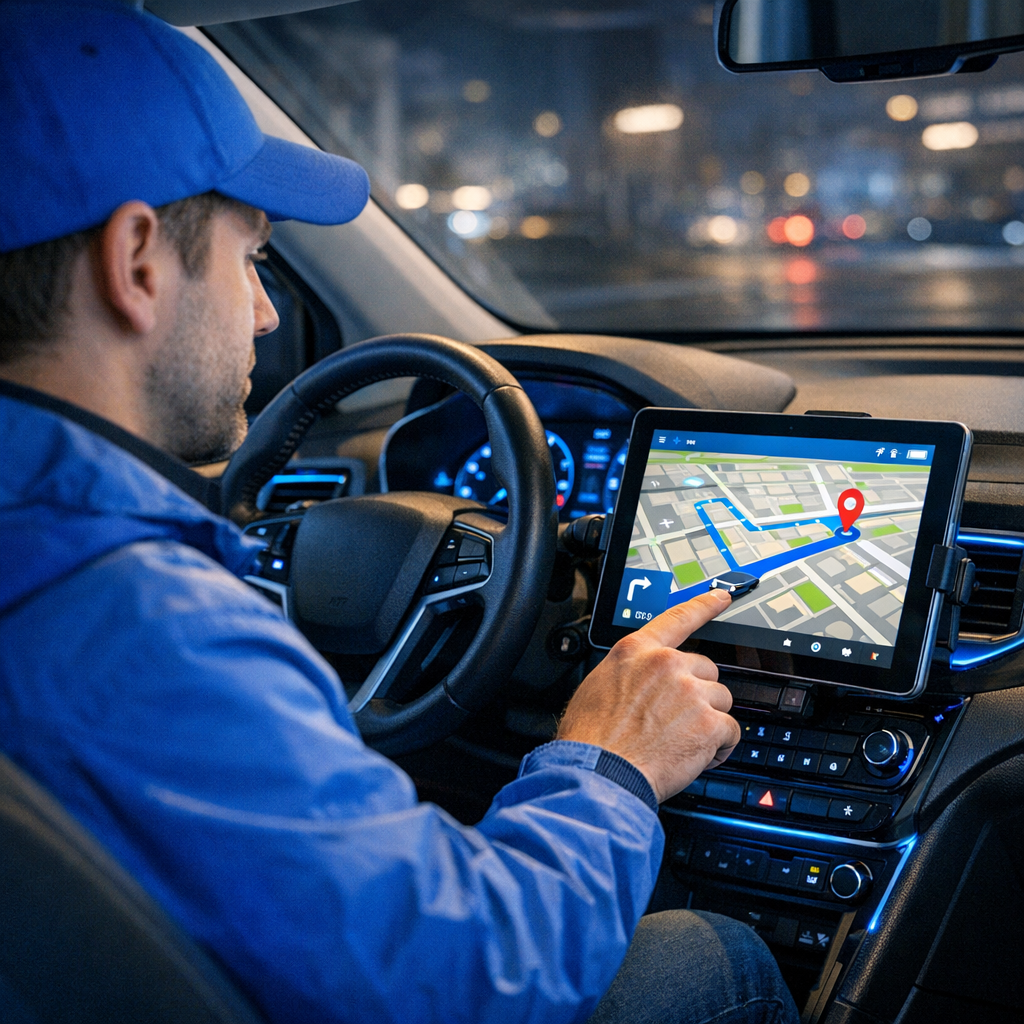
Drivers receive detailed delivery information through mobile applications or tablet devices, including customer addresses, contact information, special delivery instructions, and optimal routes. GPS tracking allows dispatchers to monitor driver locations in real-time, enabling dynamic route adjustments and efficient resource allocation. This real-time visibility helps operations managers respond quickly to changing conditions and ensure that delivery commitments are met.
Communication systems have evolved from simple radio dispatch to sophisticated digital platforms that integrate multiple communication channels. Drivers can receive updates, report issues, and communicate with customers through unified interfaces. Kitchen staff receive notifications when drivers are approaching for pickup, allowing them to stage orders for efficient handoff. This integrated communication approach reduces delays and improves overall operational efficiency.
Efficiency Metrics and Performance Tracking
Modern delivery logistics systems incorporate comprehensive performance tracking and analytics. Key performance indicators (KPIs) such as average delivery time, order accuracy rate, on-time delivery percentage, and fuel efficiency are monitored continuously. These metrics provide insights into operational performance and identify areas for improvement.

Advanced analytics platforms process this performance data to generate actionable insights. Operations managers can identify patterns in delivery delays, optimize staffing levels based on demand patterns, and implement targeted improvements to specific aspects of the logistics chain. This data-driven approach enables continuous improvement and helps maintain high service levels even as order volumes fluctuate.
The integration of these logistics components—route optimization, kitchen workflows, and delivery coordination—creates a comprehensive system that can handle the complex demands of modern pizza delivery. As technology continues to advance, these systems will become even more sophisticated, incorporating artificial intelligence, machine learning, and predictive analytics to further enhance efficiency and customer satisfaction.
The Future of Delivery Logistics
Emerging technologies promise to revolutionize delivery logistics further. Autonomous delivery vehicles, drone delivery systems, and advanced AI-powered route optimization are already being tested and implemented. These innovations will continue to push the boundaries of what's possible in delivery efficiency and customer experience.